phone
get a quote
callback

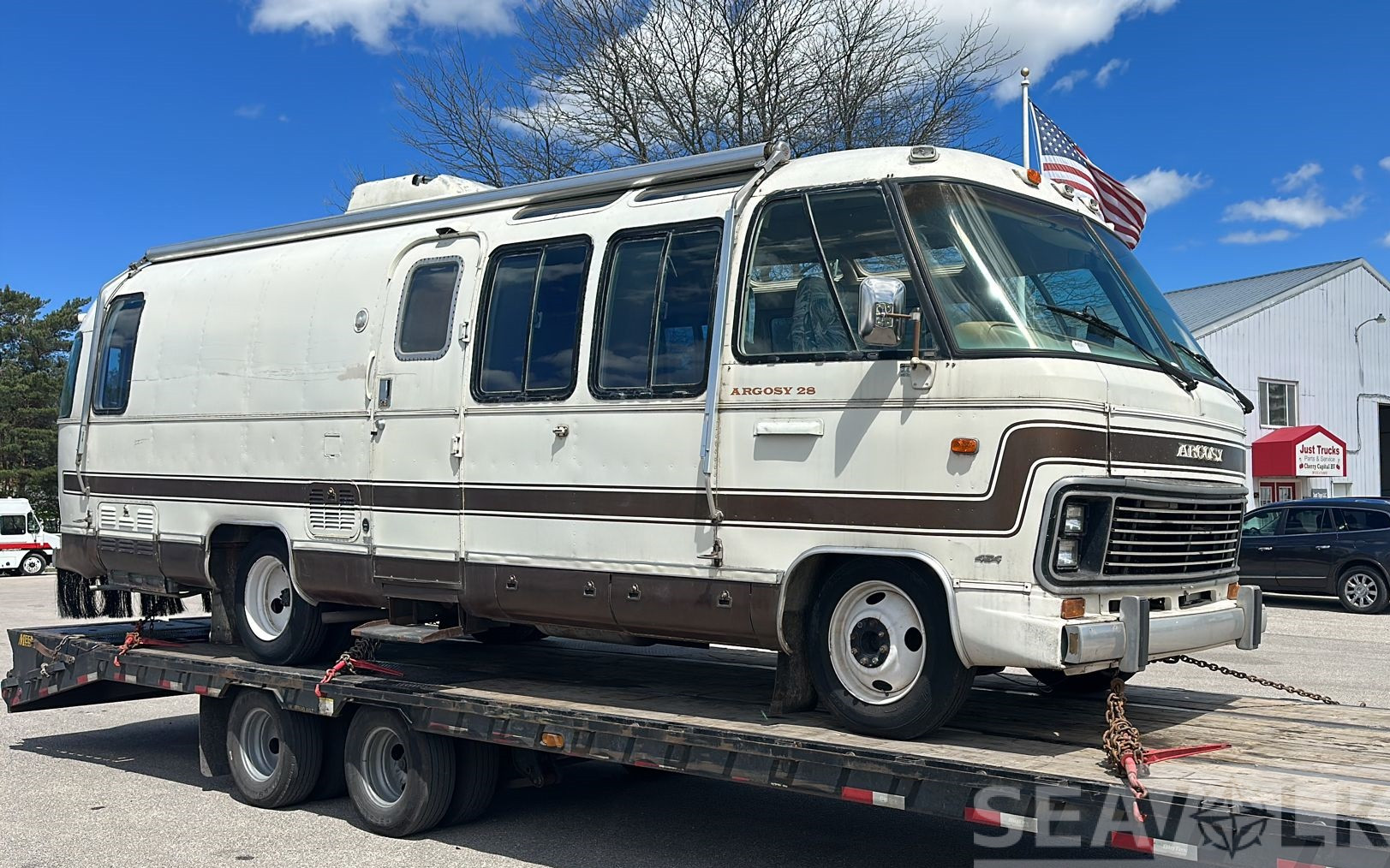
Shipping a 1978 Argosy 28 Motorhome from Michigan to Germany

Not every shipment is a piece of heavy machinery. This project brought us one of our most distinctive loads — a 1978 Argosy 28 motorhome, a vintage American RV with a devoted following among classic vehicle collectors in Europe.

The Argosy 28, manufactured by Airstream under the Argosy brand, features the signature aluminum-clad body on a GMC chassis with a 454 V8 engine. At 28 feet long and approximately 12,000 lbs, it required a step-deck flatbed trailer for domestic transport. The unit was picked up from a dealer lot in Traverse City, Michigan (as seen by the “Just Trucks — Cherry Capital” signage in the background), and transported to the Port of Baltimore for ocean export.

Given the vehicle’s age and non-running status at time of export, special handling was required:

  • Winch-loading onto the trailer (no self-drive capability)
  • Battery disconnect and fuel system verification
  • Soft-tie securing to avoid damage to the aluminum body panels
  • ISPM-15-compliant wood blocking for port delivery

For ocean transport, the motorhome was shipped via Ro-Ro vessel to the Port of Bremerhaven, Germany — Europe’s primary Ro-Ro hub for American vehicle imports. Export documentation included a clear title, EEI filing, and an inspection letter confirming the vehicle was free of soil and biological matter (required for EU agricultural compliance).

Our German forwarding partner arranged customs clearance and VAT processing on arrival. The buyer — a vintage vehicle enthusiast — received the Argosy in the same condition it left Michigan.

Classic American RVs are highly sought after in Germany, the Netherlands, and Scandinavia. If you’re exporting a vintage motorhome, camper, or collector vehicle from the U.S., SEAVOLK handles the full process.
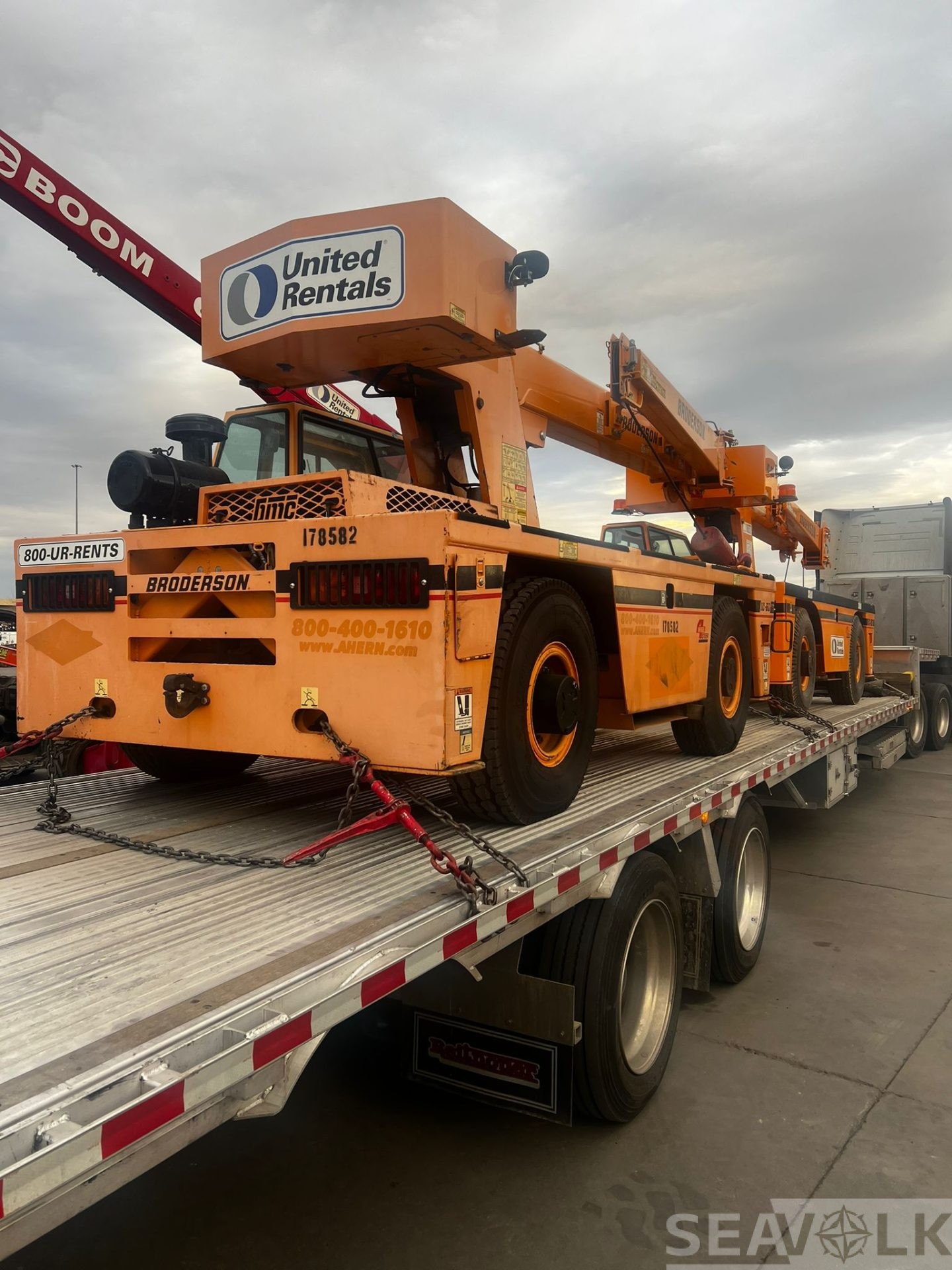
Broderson IC-80 Shipping

Not every day you get to ship a pair of compact industrial cranes halfway across the world — but that’s exactly what we did with two used Broderson IC-80s, bound for Senegal.

These little powerhouses might be small in size, but they pack serious utility. Each Broderson IC-80 weighs around 16,000 lbs (7,250 kg), with a width of 6’6”, length just under 15 feet, and a max boom reach of about 30 feet. Designed for tight spaces and precision lifting, they’re a favorite in plants, ports, and job sites around the world — and they’re perfect for export thanks to their compact, self-propelled design.

We handled pickup from two separate U.S. locations, where the machines were loaded and transported to the Port of Houston. Given their low profile and ability to move under their own power, both cranes were prepped for Ro-Ro (Roll-on/Roll-off) shipping — no container needed, no dismantling, no fuss. That’s the beauty of sending equipment like this via Ro-Ro: minimal handling, maximum protection.

Before export, we took care of all necessary documentation, including:

  • Bill of Lading

  • Commercial Invoice & Packing List

  • EPA Non-Road Engine Exemption Form (since these were used machines)

  • Shipper’s Export Declaration

  • Power of Attorney for customs processing

The shipment went out on a Grimaldi Lines Ro-Ro vessel, heading from Houston to the Port of Dakar, Senegal’s busiest gateway for industrial equipment. We kept the client informed with real-time updates, from port staging to vessel departure and ETA on the other side.

Once in Dakar, our local partners assisted with offloading and inland delivery to the final job site. Both cranes arrived in excellent condition — ready to get to work.

Two cranes, two origins, one smooth international operation. That’s how we do it.

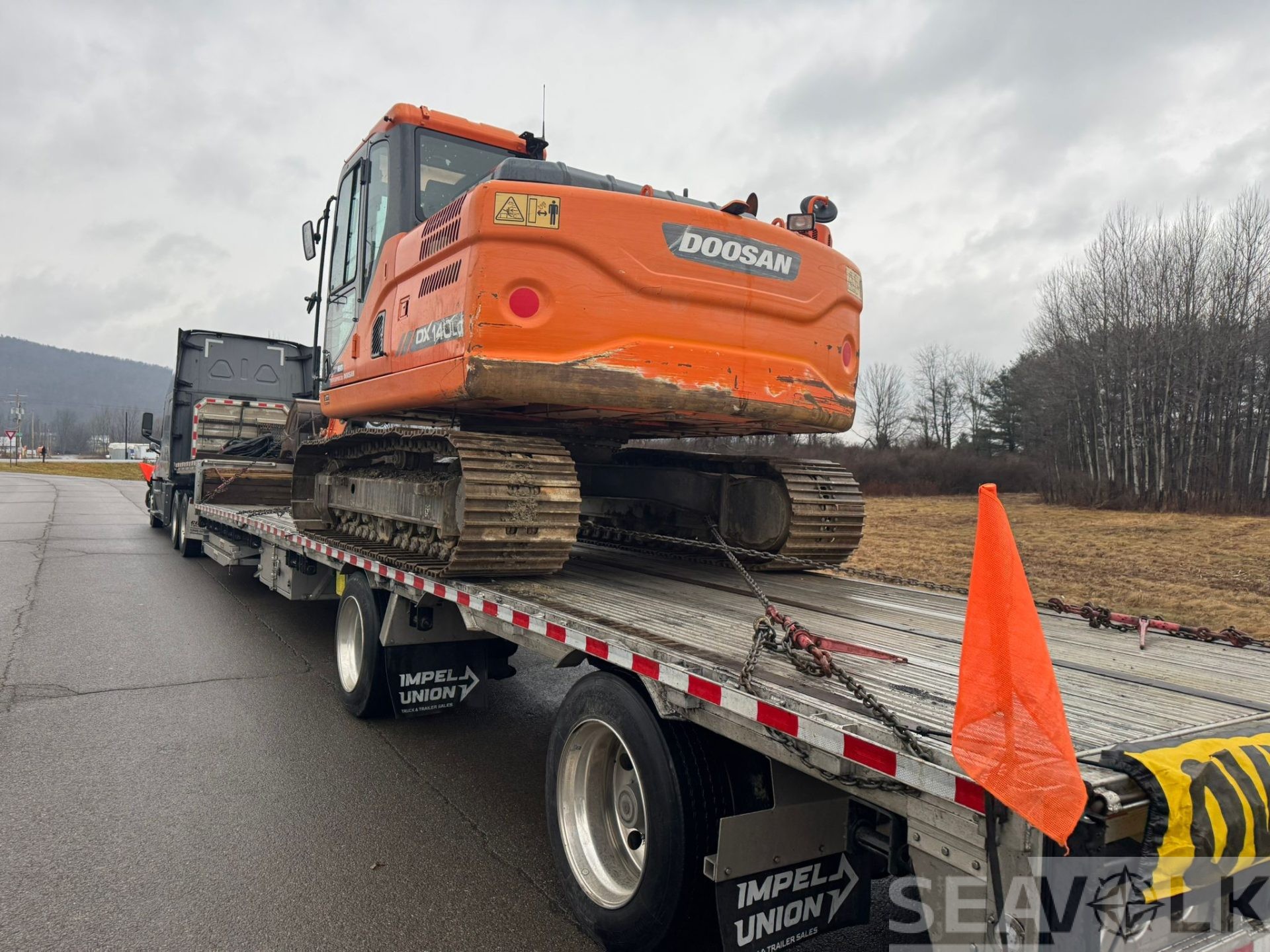
Shipping used Excavator Doosan DX140LC

Our team successfully managed the international shipment of a Doosan DX140LC crawler excavator from the United States to the Port of Georgetown, Guyana. Although this model falls into the mid-size range, its weight and dimensions required a non-standard logistics solution for both inland and ocean transport.

Weighing approximately 31,000 lbs (14 metric tons) and measuring 28 feet in length, 9 feet in width, and nearly 10 feet in height, the unit was classified as oversize cargo under U.S. transportation regulations. Moving the machine overland required special oversize permits, pilot escorts in select states, and careful route planning to ensure safe transit to the port.

For the ocean leg, flat rack shipping was selected. Ro-Ro (Roll-on/Roll-off) was not suitable due to the machine’s steel tracks, low ground clearance, and lack of self-propulsion capabilities on ramps, making flat rack the most secure and practical alternative.

At the Port of Savannah, Georgia, we handled full pre-shipment preparation, including:

  • Removal of the bucket to reduce transport height and length

  • Securing the excavator with marine-grade chains and lashings

  • Blocking and bracing with treated timber in compliance with maritime standards

  • Thorough cleaning and compliance checks to meet export requirements

We also managed all export documentation:

  • Bill of Lading

  • Commercial Invoice & Packing List

  • EPA Non-Road Engine Exemption Form

  • Non-Hazardous Certificate

  • Power of Attorney for U.S. export clearance

  • Automated Export System (AES) filing

  • State oversize load permits for inland transport

The excavator was shipped on a container vessel and arrived on schedule at the Port of Georgetown, where our local partner handled unloading and final delivery to the end user.

This project demonstrates how tailored transport solutions, proper handling, and regulatory compliance ensure safe and efficient delivery of heavy machinery — even when conventional methods aren’t an option.

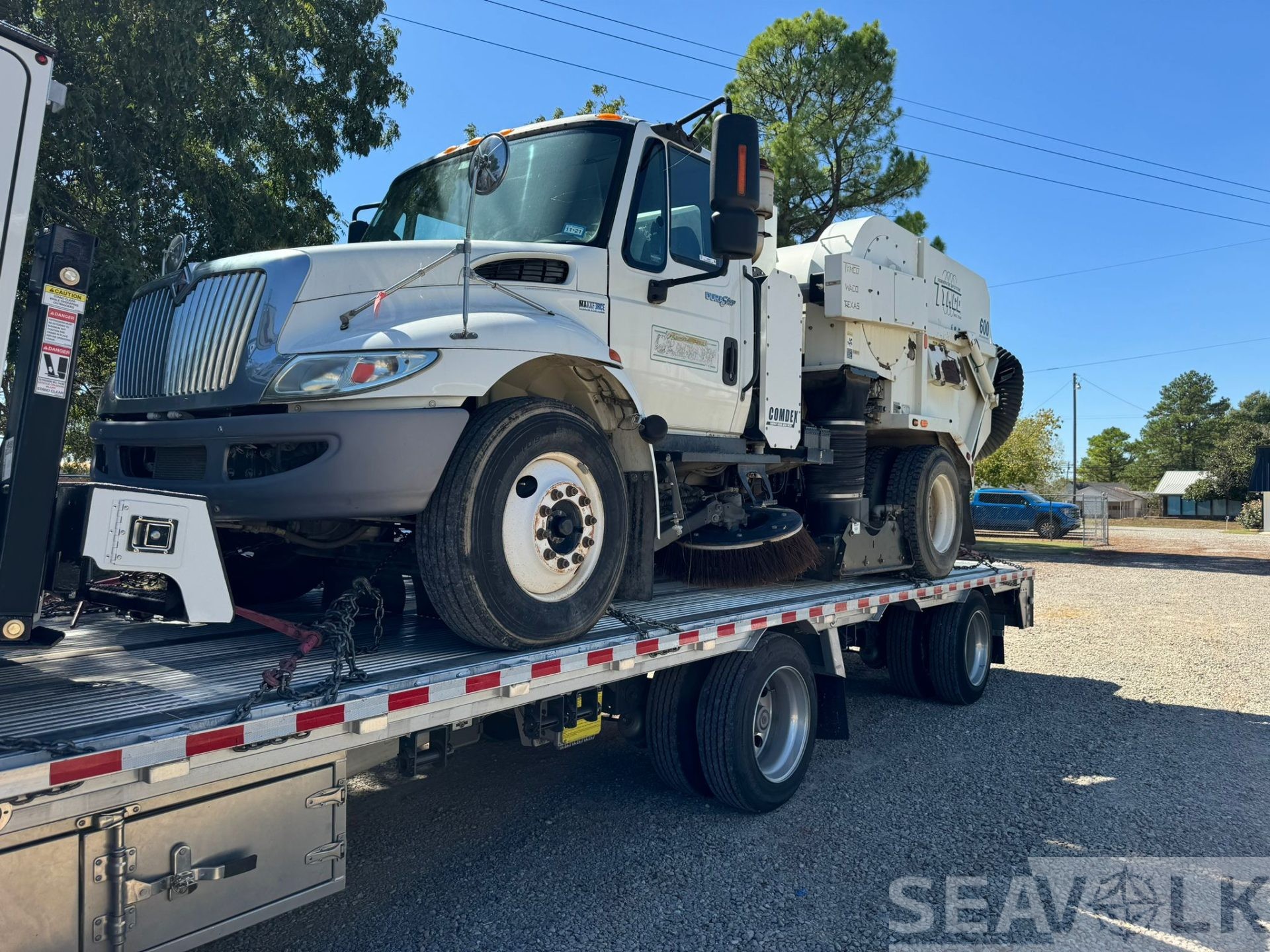
International Sweeper Truck Shipping

We recently managed the international transport of a used street sweeper truck, built on a heavy-duty International chassis, from Kansas City, Missouri to Santa Cruz de la Sierra, Bolivia — a growing logistics and industrial hub in South America.

This wasn’t just any truck — it was a full-featured sweeper vehicle, equipped with dual steering, hydraulic brush systems, debris hopper, and water tanks for dust suppression. With an overall length of 28 feet, width of 8.5 feet, height of around 11 feet, and a weight exceeding 25,000 lbs (11,300 kg), the unit presented both overland and ocean freight challenges.

Due to its height and configuration, the truck was not eligible for Ro-Ro (Roll-on/Roll-off) shipping. Instead, it was carefully prepped and shipped as static cargo inside an open-top container. This process included:

  • Draining all fuel and fluids per port safety guidelines

  • Disconnecting the battery and securing all movable components

  • Wrapping exposed hydraulic and electrical systems for protection

  • Lowering suspension and removing side mirrors to optimize container fit

From Kansas City, the vehicle was transported by land to the Port of Houston, where it was professionally containerized and loaded for international shipment. The ocean leg took it to Port of Arica, Chile, the nearest seaport gateway for inland Bolivian cargo. From there, we coordinated inland customs clearance and cross-border trucking to the final destination — Santa Cruz de la Sierra, one of Bolivia’s largest and most dynamic urban centers.

Our team handled all required documentation:

  • Bill of Lading

  • Commercial Invoice & Packing List

  • AES Export Filing (Shipper’s Export Declaration)

  • Non-Hazardous Certification

  • Original Vehicle Title & Power of Attorney

  • EPA Form for used diesel vehicles export

Throughout the journey, the client received real-time tracking, photos from staging and loading, and full support with Bolivian customs requirements.

From Midwestern city streets to South American infrastructure, this project is a great example of how we connect complex equipment to emerging markets — safely, efficiently, and with full attention to detail.